












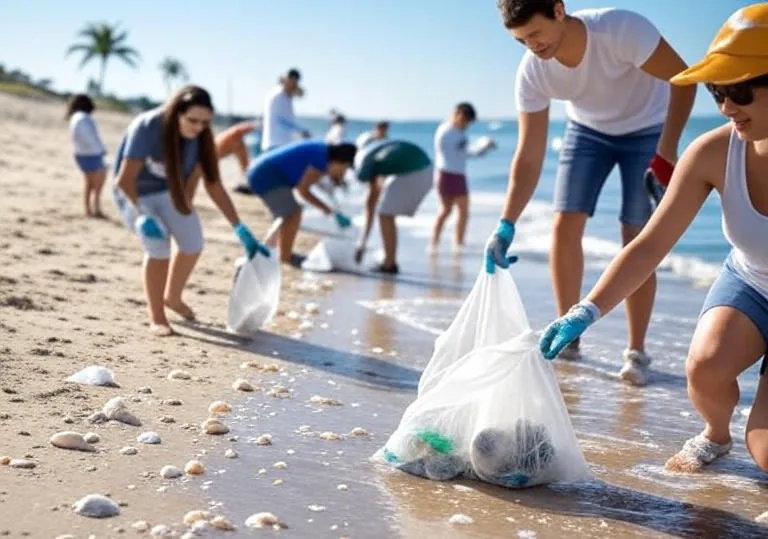
National Beach Day is a special day celebrated every year on August 30 to recognize the beauty, value, and ecological importance of beaches. It’s not just about enjoying the sun and surf—it’s a reminder of how critical it is to protect our coastlines from pollution, especially plastic waste. This day encourages individuals, families, and communities to engage in beach cleanups, spread awareness about ocean pollution, and practice eco-friendly habits. Whether you live near a beach or miles away, National Beach Day inspires us all to take part in the global effort to preserve marine life and natural beauty for generations to come.
Key Details
| Attribute | Information |
|---|---|
| Name of Day | National Beach Day |
| Date | August 30 (Every Year) |
| Established By | Colleen Paige (Pet & Family Lifestyle Expert) |
| First Celebrated | 2014 |
| Purpose | To celebrate beaches, promote environmental awareness, and encourage beach conservation |
| Theme (2025) | “Plastic-Free Beaches” |
| Typical Activities | Beach cleanups, eco-awareness campaigns, zero-waste picnics, educational events |
| Observed In | United States (but supported globally by environmental advocates) |
| EPA – How to Reduce Waste | https://www.epa.gov/recycle Government-approved guidance on reducing plastic and household waste. |
History of National Beach Day
National Beach Day was first established in 2014 by Colleen Paige, a lifestyle expert who wanted to highlight the beauty of beaches while raising awareness about the increasing threats they face. From plastic pollution to habitat destruction, beaches around the world are under pressure. Colleen’s idea was to turn a day of fun in the sun into a movement for change—encouraging everyone to enjoy and protect our coastlines.
Since then, the day has gained popularity, especially among schools, environmental groups, and eco-tourism advocates. Today, it is a key event for both celebration and education.
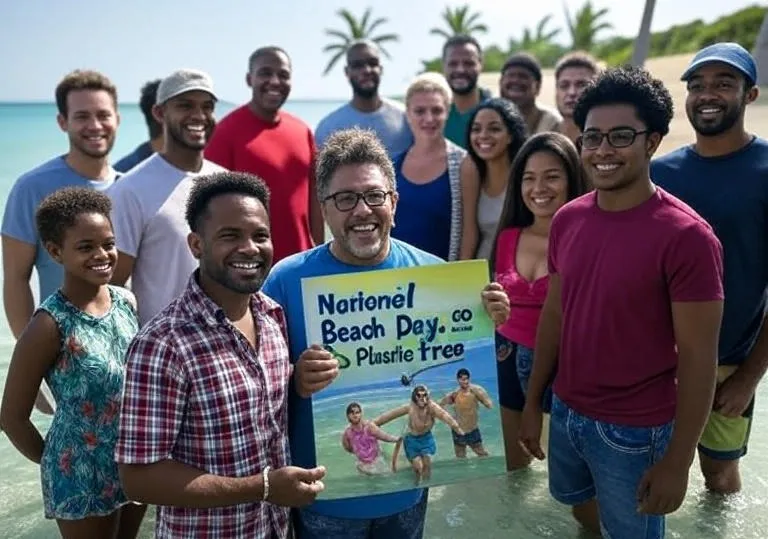
Theme of National Beach Day 2025
🎯 “Plastic-Free Beaches”
This year’s theme promotes reducing single-use plastics, encouraging reusable products, and organizing local beach cleanups. The focus is on empowering individuals and communities to make small, impactful changes that contribute to cleaner oceans and healthier marine life.
Why National Beach Day Matters
Beaches are not only destinations for relaxation and adventure—they are also ecosystems that support countless species of plants and animals. Here’s why this day is significant:
- Protects marine life by reducing pollution
- Preserves natural beauty for future generations
- Promotes responsible tourism and community participation
- Raises awareness about climate change and its impact on shorelines
How to Celebrate National Beach Day
You don’t have to live near the ocean to get involved. Here are simple ways to observe this important day:
1. Join or Organize a Beach Cleanup
Gather friends, family, or your community to clean a local beach, riverbank, or lakefront.
2. Go Plastic-Free for a Day
Avoid single-use plastics like bottles, bags, and straws. Use reusable alternatives instead.
3. Spread the Word on Social Media
Post about National Beach Day using hashtags and educational content to encourage others to act.
4. Attend or Host an Awareness Event
Schools and eco-groups often host beach awareness drives. Join in or create your own local event.
5. Donate to Marine Conservation Groups
Support NGOs and organizations working to protect beaches and marine habitats.
FAQs About National Beach Day
What is National Beach Day?
National Beach Day is celebrated on August 30 to appreciate beaches and raise awareness about coastal conservation.
Who started National Beach Day?
It was founded in 2014 by Colleen Paige, a pet and family lifestyle expert.
What is the theme of National Beach Day 2025?
The 2025 theme is “Plastic-Free Beaches”, encouraging sustainable habits and cleanups.
How can I celebrate if I don’t live near a beach?
You can reduce plastic use, donate to conservation groups, or spread awareness online.
Why is beach conservation important?
Beaches support marine ecosystems and local economies, but face threats like pollution and climate change.